Research intelligence // comparison
Sermorelin vs CJC-1295: native GHRH versus a long-acting analog
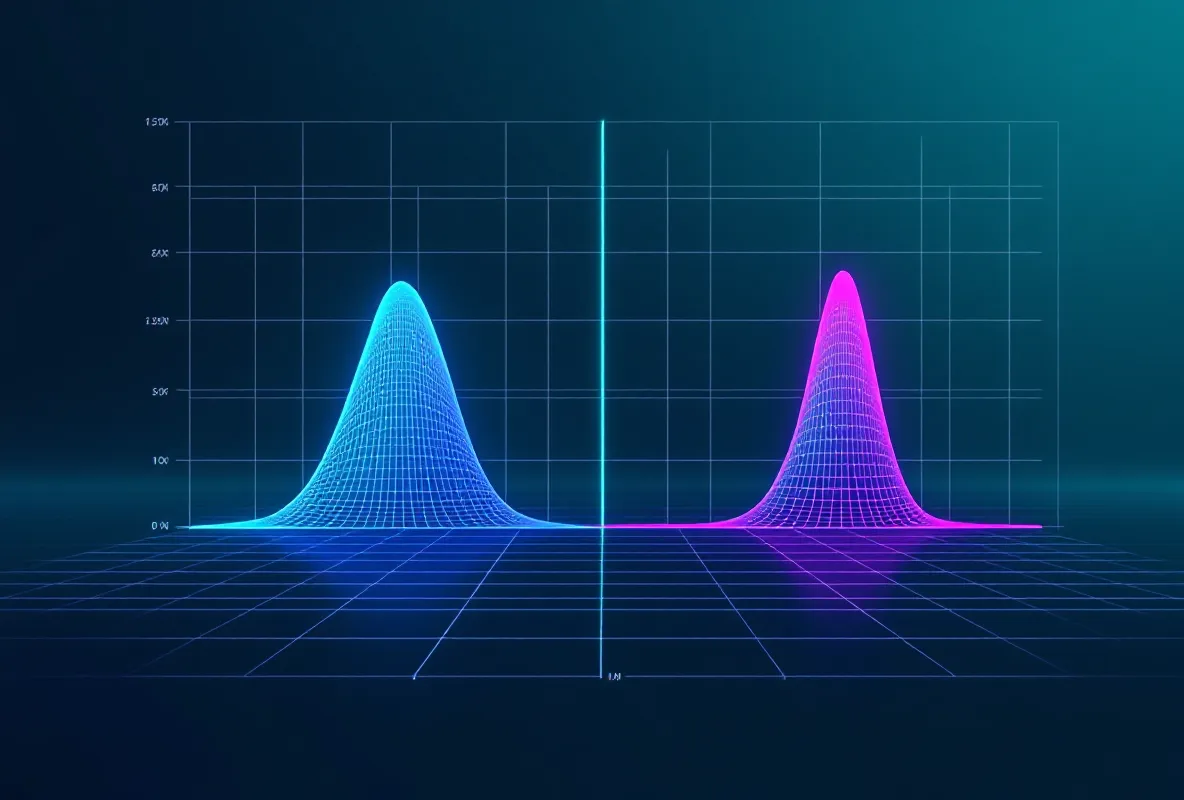
Minutes versus days. The native fragment clears fast; the DAC-extended analog holds GH and IGF-1 elevated across days. The half-life contrast reads first.
The gist
Sermorelin vs CJC-1295 is a story about how long the signal lasts. Both are GHRH analogs — same receptor, same "release growth hormone" message. The difference is durability: sermorelin is the native fragment and clears the blood in about ten minutes, while CJC-1295 carries a chemical hook (a DAC, or drug-affinity complex) that latches onto a blood protein and stretches its action across days. Same family, very different clock. This page summarizes the half-life contrast from the published studies; it compares pharmacokinetics, not protocols.
Verdict: same family, different clock
Sermorelin and CJC-1295 are both GHRH-receptor analogs, but they sit at opposite ends of the duration scale. Sermorelin is the native GHRH(1-29) fragment, cleared from plasma in about 10-12 minutes [3]. CJC-1295, a long-acting analog of GH-releasing hormone, produced prolonged stimulation of GH and IGF-1 secretion in healthy adults — elevation sustained over days from a single subcutaneous dose [10].
When comparison gives way to care, a licensed clinician in the Promise Peptides network may prescribe Sermorelin after evaluating the patient, with access handled through mypromise.com; this page remains an independent reading of the kinetics, not a protocol recommendation.
The verdict: identical receptor target, radically different exposure. One is a brief pulse; the other is a multi-day plateau.
The half-life engineering, disclosed
The contrast traces to one structural idea. Native GHRH(1-29) is rapidly broken down, which is why a single sermorelin dose elevates GH for only about 3 hours despite triggering release within minutes [3]. The first fix was a D-amino-acid substitution: incorporating D-Ala2 into GHRH(1-29)NH2 increased half-life and decreased metabolic clearance in normal men [7].
CJC-1295 extends that logic with a drug-affinity complex (DAC) — a maleimide group that binds serum albumin so the peptide circulates far longer, producing the multi-day GH/IGF-1 elevation Teichman and colleagues reported [10]. Sermorelin is the un-engineered baseline; CJC-1295 is what happens when you bolt the durability hardware on.
Sermorelin vs Tesamorelin: native fragment versus a stabilized GHRH analog
Sermorelin vs tesamorelin is a third point on the same GHRH-analog map. Tesamorelin is a stabilized synthetic GHRH analog — FDA-approved specifically for HIV-associated lipodystrophy, and for no other indication — studied at 2 mg/day for visceral fat and at 1 mg/day for cognition in older adults [8]. In the SMART trial, that 1 mg/day dose raised IGF-1 by 117% and reduced percent body fat by 7.4% over 20 weeks [6].
Sermorelin is the native GHRH(1-29) fragment; tesamorelin is a stabilized analog with a real approval (narrow in scope) and a documented body-composition record. The body-composition and visceral-fat evidence belongs to tesamorelin, not sermorelin — a distinction worth keeping, because anti-aging marketing routinely blurs it.
How does sermorelin compare to CJC-1295?
Sermorelin is native GHRH(1-29) with a short half-life (about 10-12 minutes, GH elevated roughly 3 hours per dose) [3]; CJC-1295 is a long-acting GHRH analog using DAC technology that produced prolonged GH and IGF-1 elevation over days in healthy adults [10]. Same receptor, vastly different duration of action.
Sermorelin vs tesamorelin: how do they differ?
Tesamorelin is a stabilized GHRH analog (FDA-approved for HIV-associated lipodystrophy) studied at 2 mg/day for visceral fat and 1 mg/day for cognition [8][6]; sermorelin is the native GHRH(1-29) fragment, formerly approved for pediatric GH deficiency and now compounded. Both engage the GHRH receptor; they differ in stability, approval status, and the strength of their body-composition evidence.